
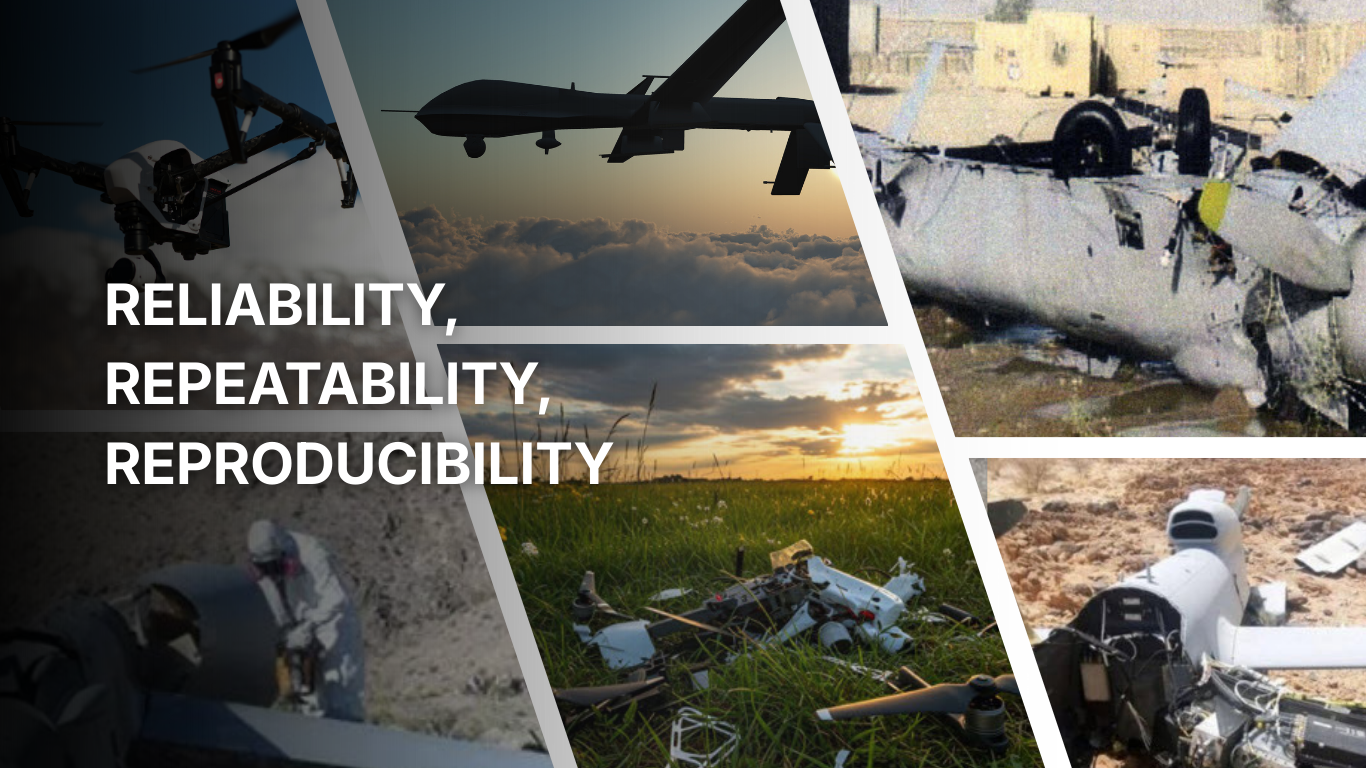
As we enter 2026, UAV operators and manufacturers are setting ambitious performance goals for the year ahead. Whether you’re running defense missions, conducting commercial surveys, or developing next-generation platforms, one metric matters above all others, and that is, endurance. But endurance isn’t just about larger fuel tanks or bigger batteries, it’s also about selecting components engineered for longevity, reliability, and cost-effective operation over thousands of flight hours.
The key to maximizing UAV endurance lies in understanding a simple equation. The higher the component reliability and longer the service intervals, the less downtime, the cheaper the operating costs per flight hour, and the greater the mission availability. Let’s explore how strategic component selection can transform your UAV’s performance profile in 2026.
The True Cost of Component Failure
When a servo fails at 500 hours or an engine requires overhaul at 1,000 hours, the visible costs are obvious: replacement parts, labor, and grounded aircraft. However, the hidden costs often exceed these direct expenses: missed mission windows, contract penalties, rushed shipping fees, and the opportunity cost of an idle platform. For commercial operators billing by the flight hour, every hour of unscheduled maintenance directly impacts profitability.
This is where time before overhaul (TBO) becomes your most important specification.
Engines Built for the Long Haul
Consider the Suter TOA288 engine, which passed the FAR 33.49 endurance test, a demanding FAA reciprocating aircraft engine endurance test typically reserved for manned aircraft piston engines. This 150-hour durability test, conducted at Suter’s facilities in Switzerland, revealed no performance degradation or accelerated component wear. The engine demonstrated the kind of durability that allows operators to confidently plan extended TBO schedules.
This level of engineering rigor matters because it provides predictable maintenance schedules. Instead of wondering whether your engine will make it through the next mission, you can plan overhauls based on data-driven service intervals.
For UAV operators, the Suter TOA288’s 24 horsepower output, fuel injection system, and advanced electronic engine management combine performance with reliability, which is a dual advantage that keeps platforms airborne longer and maintenance crews working on schedules rather than emergencies.
Actuators That Hardly Wear Out
While engines receive much of the attention, actuators and servos are the unsung heroes of UAV endurance. For example, the Volz Servos DA 15-N provides a compelling case study. This 15mm / 0.59″ wide “micro actuator” has achieved over 200,000 flight hours on Textron Systems’ Aerosonde Mk4.7 platform. Some customers report swapping out these servos only after 2,500 hours of flight time.
What makes the DA 15-N so durable? The secret lies in its brushless motor design and contactless, wear-free position sensing. Traditional servos with brushes and mechanical sensors accumulate wear with every movement. The DA 15-N eliminates these failure points entirely, making it immune to the vibrations, shock loads, and harsh environments that destroy conventional actuators.
For operators, this means predictability, which is invaluable to them. When you know your actuators will deliver thousands of hours of service, you can focus on mission planning rather than emergency repairs.
Certified Autopilots for Peace of Mind
Endurance is also about the reliability of your flight control systems. Embention autopilots bring certified aviation standards (DO178C, DO254, and DO160G) to the UAV world, providing the same level of rigor expected in manned aviation. These Spanish-designed systems are flying on fixed-wing, multicopter, VTOL, and helicopter platforms worldwide.
The Veronte Autopilot 4x, for example, features redundant architecture designed to eliminate single points of failure, which is a crucial consideration for long-endurance missions where recovery options may be limited. Certified redundancy isn’t overkill when your UAV is hours away from base or operating outside of visual line of sight.
Electric Motors Built to Last
For electric and hybrid UAV platforms, endurance depends heavily on motor efficiency, thermal management, and mechanical robustness. Poorly matched or under-engineered electric drive systems can limit flight duration and shorten component life.
And Plettenberg motors represent the gold standard in durability. As the global leader in ultra-rugged inrunner BLDC motors, Plettenberg’s approach centers on high-quality components, advanced manufacturing techniques, and premium materials. All Plettenberg motors are manufactured in Germany under an EN 9100:2018 certified quality system, the same standard used in aerospace manufacturing.
Plettenberg’s commitment to reliability is exemplified by their NOVA 4 and NOVA 15 COTS motor product lines, which have been fully qualified to MIL-STD-810H. These motors have successfully passed demanding environmental tests including altitude operation up to 30,000 feet, temperature extremes from -40°C to +71°C, humidity resistance, salt fog exposure, sand and dust ingress protection, vibration testing, and mechanical shock resistance. This comprehensive qualification ensures that Plettenberg motors can withstand the full spectrum of environmental stresses encountered in real-world UAV operations.
Plettenberg’s motors offer IP67 protection ratings, making them suitable for operation in snow, desert, or even saltwater environments. This robustness directly translates to longer service life and reduced failure rates, even in the harshest operating conditions. When your electric UAV needs to deliver consistent performance across hundreds or thousands of cycles, the quality of your motor becomes a defining factor in total system endurance.
The Bottom Line: Cost Per Flight Hour
Every component choice you make affects your UAV’s cost per flight hour—the ultimate measure of operational efficiency. High-endurance components cost more upfront but deliver dramatic savings over their service life. An engine with a 2,000-hour TBO costs half as much per hour to operate as one requiring overhaul at 1,000 hours. A servo that lasts 2,500 hours eliminates multiple replacement cycles and the associated labor costs.
As you set your performance goals for 2026, consider this: the most expensive components aren’t the ones with the highest purchase price, they’re the ones that fail when you need them most. By investing in proven, high-endurance components from manufacturers like Suter, Volz, Embention, and Plettenberg, you’re buying reliability, predictability, and peace of mind.
Make 2026 Your Most Reliable Year Yet
The new year presents an opportunity to reassess your component choices and set higher standards for endurance and reliability. Whether you’re designing a new platform or upgrading an existing fleet, prioritizing components with proven track records of extended service life will pay dividends throughout the year and beyond.
At UAV Propulsion Tech, we specialize in sourcing and supporting the world’s most reliable UAV components.
Ready to reduce your cost per flight hour and increase mission availability? Let’s discuss how high-endurance components can transform your UAV operations in 2026.