-
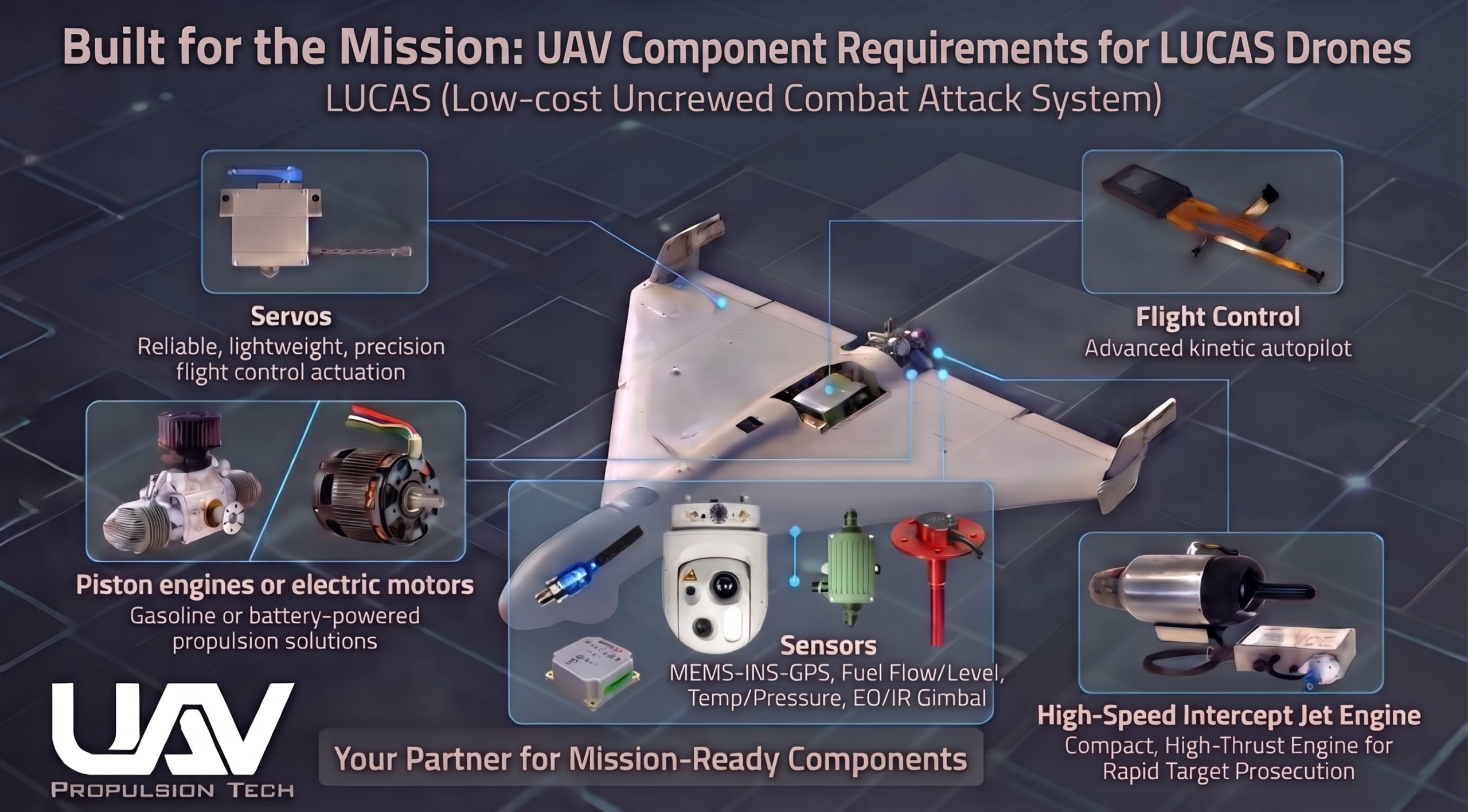
Built for the Mission: UAV Component Requirements for LUCAS (Low-cost Uncrewed Combat Attack System) Aircraft
The development of low-cost unmanned aerial vehicles (UAVs) is placing greater emphasis on the relationship between component performance, system reliability, and acquisition cost. The LUCAS (Low-cost Uncrewed Combat Attack System) program is a reflection of this shift, with the U.S. Department of War (DoW) funding development and procurement activities for systems targeting a price…
-

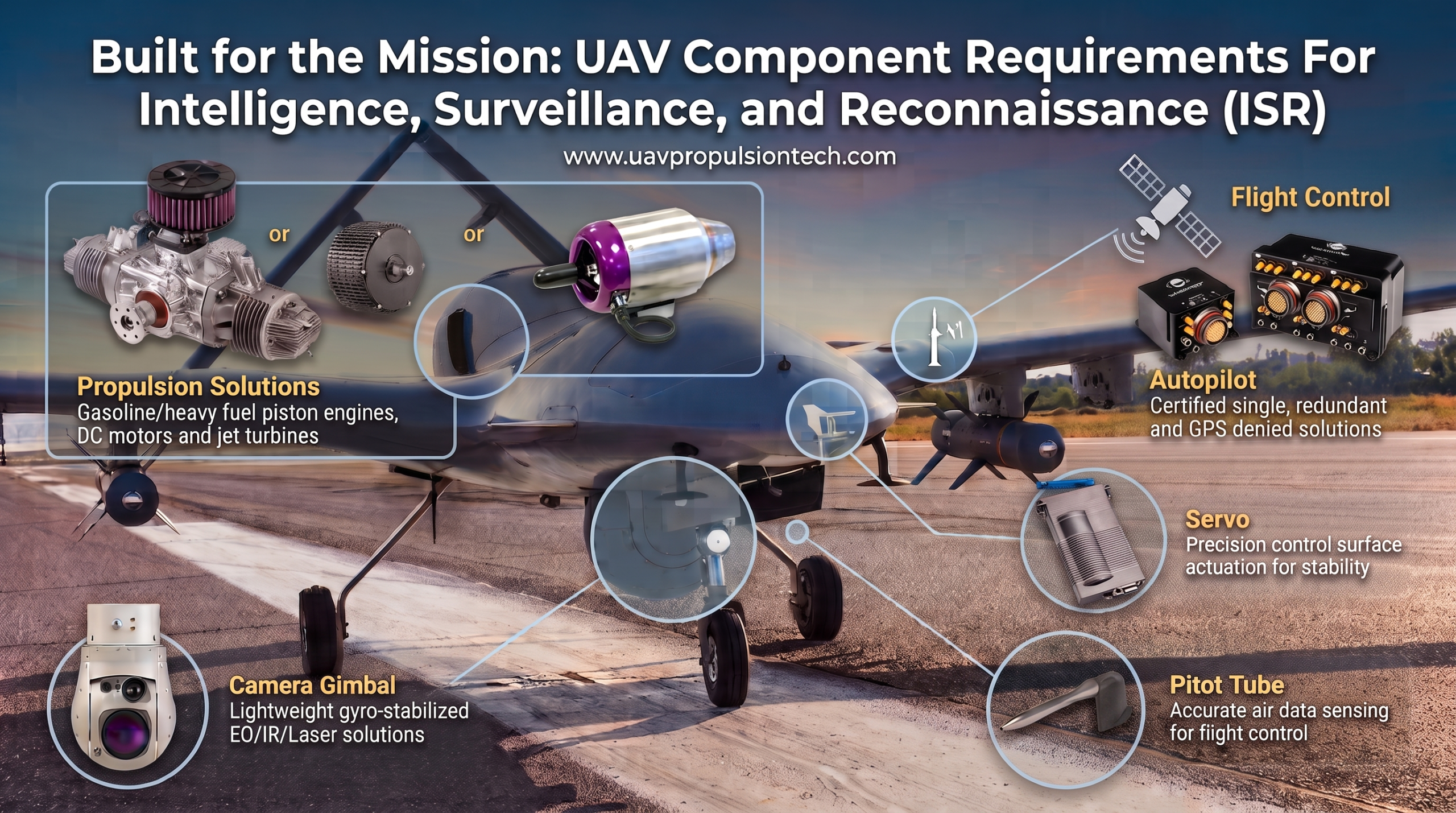
Built for the Mission: UAV Component Requirements For ISR
An intelligence, surveillance, and reconnaissance unmanned aerial vehicle (ISR UAV) can spend hours in the air without attracting attention, carrying sensors whose value depends on remaining stable, precise, and operational long after launch. A small vibration can affect an optical image, thermal variation can alter sensor performance, a communications fault can interrupt the flow…
-
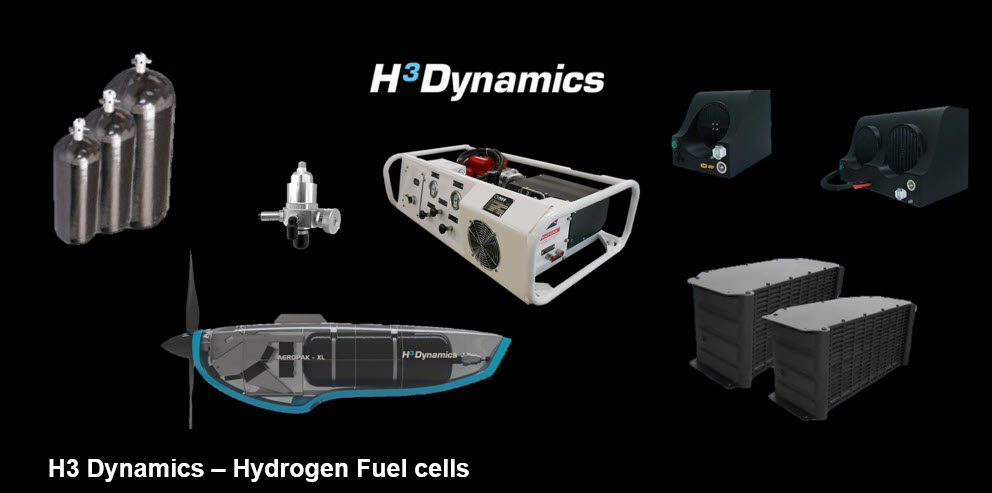
6 Things to Know Before Sourcing Fuel Cells
Fuel cells occupy a unique position in unmanned aerial vehicle (UAV) propulsion. They are not the loudest technology on the market, but for programs where endurance is the primary constraint, their performance is a crucial factor. Where a lithium battery reaches its ceiling in minutes, a hydrogen fuel cell system can sustain electric flight…